
A GCAA approved packing company is a certified organisation authorised by the General Civil Aviation Authority of the UAE to prepare, pack, and certify dangerous goods consignments for air transport from UAE airports. GCAA approval confirms that the company meets all international aviation safety standards including IATA DGR and ICAO Technical Instructions, and is legally permitted to handle and certify hazardous cargo for air freight from Dubai International Airport and Al Maktoum International Airport.
Using a GCAA approved packing company is a mandatory regulatory requirement for all dangerous goods shipments departing by air from the UAE. Airlines and ground handling agents at Dubai airports will only accept dangerous goods consignments packed and certified by GCAA approved companies. Non-compliant shipments are rejected at the terminal, resulting in flight misses, additional costs, and potential regulatory penalties for the shipper.
Yes. Perfume shipments can be prepared for air transportation using suitable packing and applicable air-cargo requirements.
Paint cargo is commonly shipped under UN1263 (Paint including paint, lacquer, enamel, stain, shellac, varnish, polish, liquid filler and liquid lacquer base) or UN1210 (Printing Ink). The correct UN number is determined based on the product's chemical composition and flash point. Water-based paints with no flammable content may be non-regulated depending on their classification.
Airworthy packing in the UAE must comply with IATA Dangerous Goods Regulations (DGR), ICAO Technical Instructions, and General Civil Aviation Authority (GCAA) guidelines. For multimodal shipments, IMDG Code requirements also apply. All packaging, markings, labelling, and documentation must meet these regulatory standards for airline acceptance.
Cargo that does not meet airworthy packing standards is rejected by airlines and ground handling agents at the Dubai freight terminal. This results in missed flights, additional repacking costs, shipment delays, and potential regulatory penalties. Professional airworthy packing by a certified provider eliminates rejection risk and ensures first-attempt carrier acceptance.
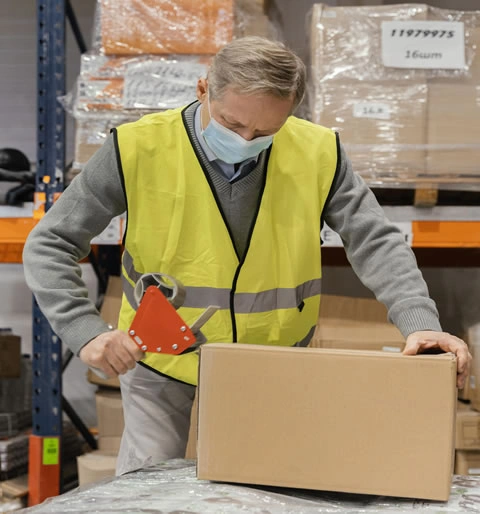
Industrial packing helps prevent cargo damage, moisture exposure, corrosion, vibration impact, and handling risks, ensuring safe transportation and delivery of valuable equipment and goods.
Hazmat Cargo Handling in Dubai refers to the safe packing, labeling, documentation, storage, and transportation of hazardous materials such as chemicals, lithium batteries, flammable liquids, gases, and other dangerous goods. These shipments must comply with international regulations including IATA, IMDG, and UAE aviation and shipping requirements.
Wooden crating involves packing cargo inside strong wooden boxes or crates designed to provide maximum protection during shipping and handling.
Vacuum packing protects machinery and sensitive equipment from moisture, humidity, corrosion, dust, and contamination during long-distance transport or storage.
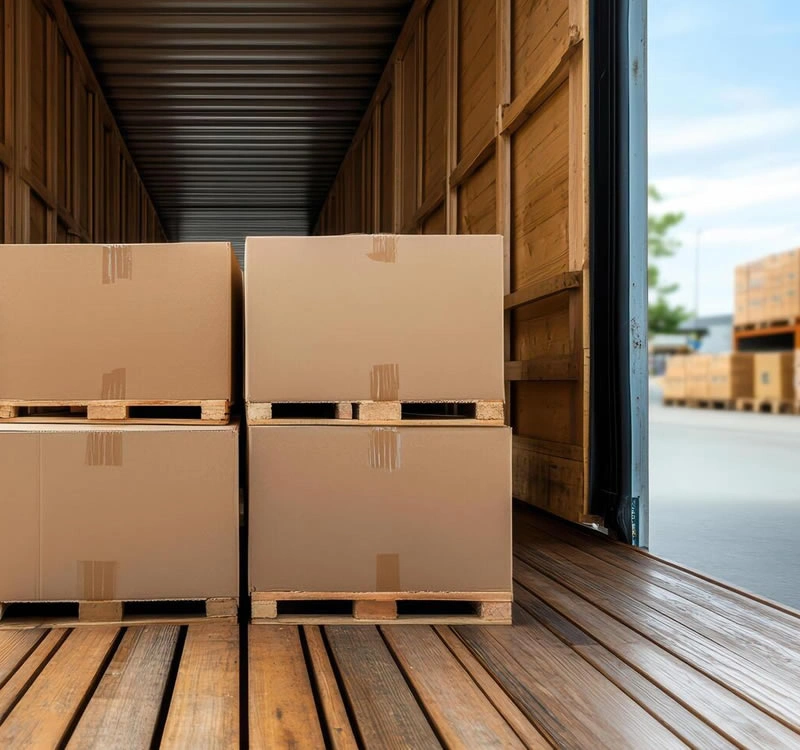
Palletization services in UAE improve cargo stability, reduce handling risks, and ensure efficient loading, making them essential for safe export operations.
Under the International Air Transport Association Dangerous Goods Regulations (DGR), UN-specified packaging is mandatory because it has been performance-tested to withstand the stresses of air transport, including pressure changes, vibration, and handling impacts. This ensures safety and regulatory compliance.
UN-specified packaging refers to packaging that has passed internationally recognized performance tests in accordance with UN standards (IATA DGR Part 6). It bears a UN marking code that confirms the packaging type, material, packing group performance level, manufacturer, and year of manufacture.
Professional Hazmat Cargo Handling helps ensure the safety of people, property, and the environment while preventing shipment delays, penalties, or cargo rejection. Certified hazardous cargo specialists use approved packaging, proper labeling, and accurate documentation to ensure full regulatory compliance and smooth transportation.
Dangerous Goods are assigned to Packing Groups I, II, or III based on the degree of danger. UN packaging is tested and certified according to these levels, ensuring the packaging strength matches the hazard level of the material.
Dangerous Goods packing is the regulated process of preparing hazardous materials for safe transportation in accordance with international transport regulations. It includes correct classification, selection of UN-approved packaging, proper marking and labeling, and accurate documentation.
DG packing must be carried out by trained and certified personnel who are competent under applicable regulations (e.g., GCAA & IATA CBTA requirements for air shipments).
The primary reference is the Material Safety Data Sheet (MSDS) / Safety Data Sheet (SDS). Section 14 (Transport Information) clearly states whether the product is classified as Dangerous Goods, including the UN number, Proper Shipping Name, hazard class, and packing group.
Paint export from Dubai requires UN-tested and approved specification packaging selected according to the product's packing group (PG I, II, or III). This includes leak-proof inner containers, secure outer packaging with appropriate cushioning and absorbent materials, and correct hazard labels and UN markings applied on the outer package. All packaging must comply with IATA DGR, IMDG Code, and GCAA regulations.
Airworthy packing is the process of preparing cargo using airline-approved materials, correct markings, and compliant documentation to meet IATA DGR and ICAO Technical Instructions. It is required to ensure cargo can safely withstand the pressure changes, vibration, and handling conditions during air transport without risk of damage, leakage, or rejection at the freight terminal.
Airworthy packing is required for a wide range of cargo including dangerous goods, fragile and high-value items, industrial machinery and spare parts, lithium batteries, perishables, electronics, precision instruments, and any oversized or heavy cargo being transported by air freight from Dubai.
Hazmat Cargo Handling is required for dangerous goods such as chemicals, lithium batteries, aerosols, paints, adhesives, flammable liquids, compressed gases, corrosive substances, and other materials classified as hazardous under international transport regulations.
Heavy machinery, industrial equipment, electrical systems, project cargo, oil and gas components, fragile items, and export materials commonly require industrial packing services.
Industrial Packing Solutions are specialized packing methods used to protect machinery, equipment, export cargo, and industrial materials during transportation, storage, and handling.
Air export packing services in UAE ensure cargo is properly packed to withstand air transport conditions such as pressure changes and handling. It ensures safety, prevents damage, and meets airline requirements for smooth cargo acceptance.
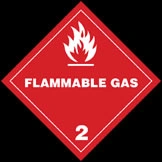
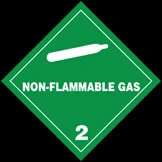
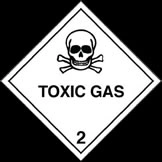
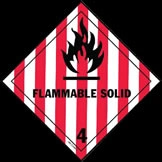
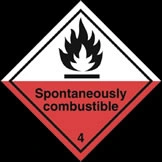
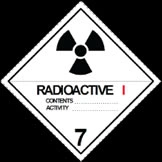
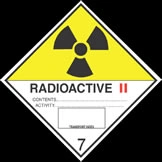
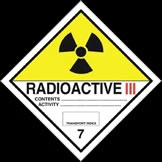
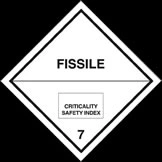
Dangerous goods are substances or articles that can endanger health, safety, property, or the aircraft during transport. They are divided into nine hazard classes: explosives, gases, flammable liquids, flammable solids, oxidizers and organic peroxides, toxic and infectious substances, radioactive material, corrosives, and miscellaneous items such as lithium batteries. Carepack Cargo Services packs all of these in line with IATA DGR and GCAA requirements.
You typically need the Safety Data Sheet (SDS), a commercial invoice, a packing list, the air waybill, and a Shipper's Declaration for Dangerous Goods for fully regulated shipments. Additional documents may be needed depending on the destination and the product. Share your SDS with Carepack before packing so we can confirm exactly what applies to your shipment.
A DGD is the legal document in which the shipper declares that dangerous goods are correctly classified, packed, marked, and labelled for transport. Airlines require it for most fully regulated air shipments, and it must be completed by a person trained in dangerous goods regulations.
Limited quantity shipments contain small amounts per package and have simplified packaging, marking, and documentation rules. Fully regulated shipments exceed those limits and require UN-specification packaging, full hazard labels, and a DGD. The correct category depends on the substance, packing group, and quantity per inner package.
A UN number is a four-digit code that identifies a substance, for example UN1266 for perfumery products. The hazard class describes the type of danger, such as flammable liquid or corrosive. The packing group (I, II, or III) shows the degree of danger, from high to low, and decides which packaging is allowed.
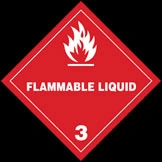
Yes, most alcohol-based perfumes are Class 3 flammable liquids because of their ethanol content. They must be packed in approved packaging and correctly marked and labelled before air or sea shipment. Carepack provides perfume packing in Dubai for exporters, traders, and e-commerce sellers.
Yes, but it must follow the dangerous goods rules for flammable liquids. Quantity limits, packaging, and documentation depend on whether it ships as a limited quantity or fully regulated cargo, and whether it goes on a passenger or cargo aircraft. A GCAA approved packer like Carepack prepares the shipment so the airline accepts it.
Yes, if they are packed and documented as dangerous goods. Most solvent-based paints, adhesives, and thinners are flammable liquids and need leak-proof inner containers, UN-approved outer packaging, and correct labels. Water-based products may be less regulated, but the SDS should always be checked first.
Yes. Carepack provides chemical transferring and repacking using approved handling procedures, so bulk products can be split into compliant, shippable packages. Share the SDS and the required quantities before we begin.
Yes, but they are regulated as Class 9 dangerous goods. The rules depend on the type (lithium-ion or lithium-metal), whether the batteries are shipped alone, packed with equipment, or contained in equipment, and their watt-hour or lithium content. Standalone lithium-ion batteries are generally restricted to cargo aircraft only. Carepack packs and labels lithium battery shipments to current IATA requirements.
Yes. Anything containing a lithium battery can fall under dangerous goods rules, including power banks, laptops, e-scooters, e-bikes, drones, and power tools. Power banks are treated as standalone batteries for transport. Contact Carepack with the model and battery specifications for a compliance check.
Common reasons are incorrect classification, non-approved packaging, missing or wrong labels and markings, an incomplete DGD, and packing done by an unapproved party. Using a GCAA approved packer like Carepack reduces this risk and helps avoid missed flights and extra costs.
Undeclared dangerous goods are a serious safety and legal violation. Shipments can be seized or refused, and shippers can face fines and penalties, along with delays and liability for any incident. Always classify and declare goods correctly before shipping.
Yes. Carepack's personnel are IATA CBTA-certified, which means they are trained to current competency-based standards for dangerous goods. This training must be repeated at regular intervals to remain valid.
Carepack follows the IATA Dangerous Goods Regulations (DGR) for air freight, the ICAO Technical Instructions, the IMDG Code for sea freight, and GCAA requirements in the UAE.
Palletizing groups cartons into one stable unit for forklift handling and safer storage and loading. Shrink wrapping holds the load together and protects it from dust, moisture, and shifting. Together they reduce damage and speed up handling at terminals and warehouses.
Most countries require wooden packaging material to be heat-treated and marked under ISPM 15 to prevent the spread of pests. Requirements vary by destination, so check with your freight forwarder or contact Carepack before packing.
Export packing is built to survive long transit, repeated handling, and different climates, while meeting destination-country and carrier rules. It often includes stronger materials, moisture protection, proper marking, and compliant documentation.
Yes. Carepack provides heavy-duty industrial packing for machinery, spare parts, and project cargo, using methods such as wooden crating and vacuum packing to protect equipment during storage and transport.
Carepack is based in Dubai and serves Dubai, Sharjah, Abu Dhabi, and the wider UAE for air, sea, and road freight shipments.
Freight forwarders, exporters, manufacturers, traders, and e-commerce businesses can all use Carepack's packing services for dangerous goods, industrial cargo, and general export shipments.
Send your product details, Safety Data Sheet, quantity, and destination by email to ops@carepack.ae, by WhatsApp or phone on +971 54 792 6621, or through the contact form on carepack.ae. The Carepack team will review the details and advise on the packing requirements.


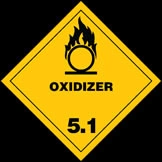
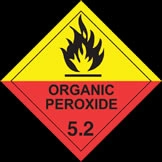
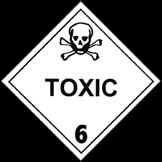
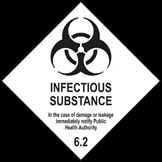
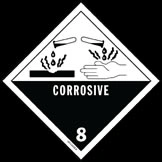


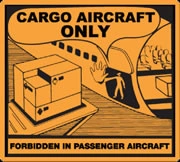
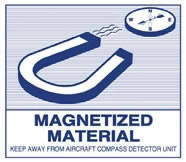



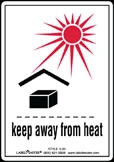
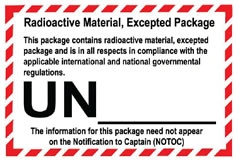


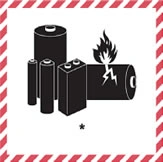

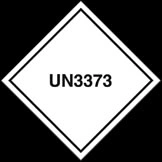
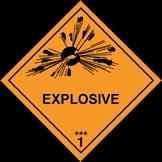
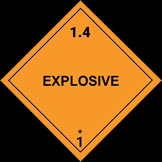
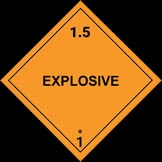
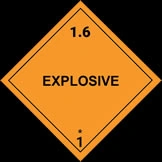

We pride ourselves on using high-quality, UN-certified packaging materials combined with advanced techniques to ensure the safety, durability, and regulatory compliance of every shipment.