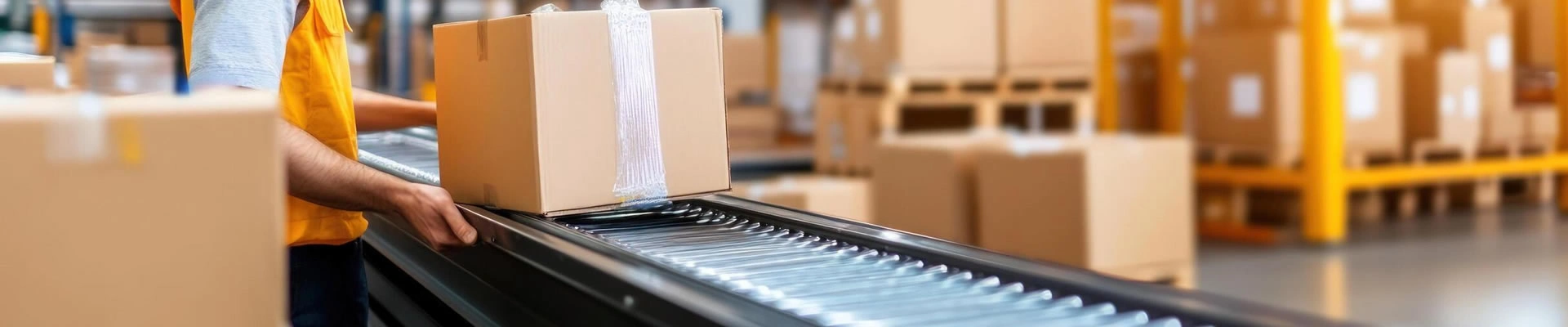

Dubai is one of the busiest air cargo hubs in the world. Goods leave the UAE every day for Europe, Africa, Asia and the Americas. But before a single box reaches the aircraft, it has to pass the airline’s acceptance check. If the packing is weak, the labels are wrong or the paperwork does not match, the cargo can be refused at the terminal.
That is a costly surprise, especially when a customer is waiting. In this guide, we explain what air export packing services in UAE actually cover, what airlines look for, and how you can prepare your shipment so it moves without delays.
Air export packing is the process of preparing cargo so it is safe, stable and compliant for transport by air. It goes beyond putting goods in a box. It includes choosing the right packaging, securing the load, marking and labelling the packages, and making sure the shipment meets airline and safety rules.
Air freight is different from sea or road freight in a few important ways. Cargo goes through fast, repeated handling at terminals. It is exposed to pressure and temperature changes during flight. And airlines apply strict acceptance standards because safety on an aircraft leaves no room for error.
Because of this, a package that is fine for a truck journey may not be suitable for a flight. Packing for air needs more planning.
Airlines do not reject cargo to cause trouble. They reject it because they are responsible for the safety of the aircraft, the crew and every other shipment on board. Most rejections come from a small number of causes.
One common cause is weak or damaged packaging. If a carton is crushed, leaking or poorly closed, it is not safe to load. Another is incorrect or missing labels and markings, especially on hazardous items. A third is documentation that does not match the physical cargo, such as wrong weights, wrong descriptions or missing declarations.
A fourth cause is cargo that is not built for handling. Loose boxes, unstable stacks and pallets that are too tall or too heavy create problems for the terminal team and the loading crew.
The good news is that all of these are preventable with proper packing and careful checking before the cargo leaves your warehouse.
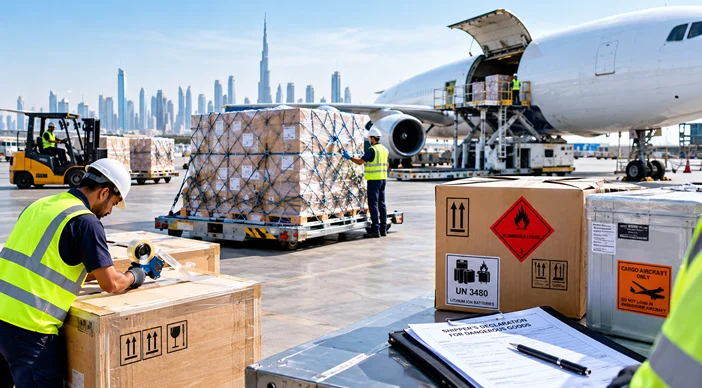
A well-prepared air shipment usually has the following qualities, and a professional packing team checks each one.
Airline limits on pallet height, weight and shape vary depending on the aircraft type and the airline. This is why it is wise to confirm these limits with your airline or freight forwarder before packing begins. Our team builds pallets with these limits in mind, using ISPM-15 heat-treated pallets and industrial-grade shrink wrapping. You can learn more on our palletization and shrink wrapping page.
Palletization is a key part of air export packing. When cartons are stacked and secured on a pallet, the cargo can be moved quickly with forklifts and handled as a single unit. This speeds up terminal processing and lowers the risk of boxes being dropped or crushed.
Good palletization also keeps the load compact. Boxes that overhang the pallet edges can get damaged or can cause the pallet to be refused. Wrapping the pallet properly adds another layer of protection against dust, moisture and shifting.
If you want a deeper look at how pallets and wrapping work together, you can read our full guide on palletization services in UAE.
Many everyday exports are classed as dangerous goods when they travel by air. Perfumes and fragrances contain flammable liquids. Paints and solvents are flammable. Some chemicals are corrosive or toxic. Lithium batteries also fall under dangerous goods rules.
For these items, air export packing must follow the IATA Dangerous Goods Regulations and the ICAO Technical Instructions. That means using tested UN-specification packaging, applying the right hazard labels and markings, checking that incompatible goods are separated, and preparing the Shipper’s Declaration for Dangerous Goods where it is required. The IATA Dangerous Goods Regulations page gives the official background on how these rules work.
This is not an area to guess. A small mistake in packing group, quantity limits or labelling can stop a shipment completely. Our certified DG-trained team handles this through our dangerous goods packing service in Dubai. If you ship specific products, you may also find these guides useful: perfume packing in Dubai, paint packing in Dubai and hazmat cargo handling in Dubai.
You will often hear the word airworthy in cargo packing. In simple terms, airworthy packing means the cargo is packed so it can safely handle the conditions of air transport and is acceptable to the airline. It covers strong packaging, secure closure, correct marking and compliance with air cargo rules.
Our separate guide on airworthy packing services in Dubai explains this in more detail, including how it applies to different kinds of cargo.
Over time, the same mistakes appear again and again. Knowing them helps you avoid them.
The last point is more serious than it sounds. When packing is rushed, mistakes happen, and a missed cut-off can push your shipment to the next flight.
A little preparation makes the whole process smoother. Before your shipment reaches the packing team, gather your product details, weights, quantities and destination. Check that every item is clean, dry and in good condition. Tell the team honestly what the goods are, including if they contain liquids, batteries or chemicals.
Also confirm your flight or airline requirements with your freight forwarder. Once the packing team knows the airline and destination, they can build the shipment to suit.
If you want to understand how this fits into the wider export process, our overview of export packing services in Dubai covers it step by step.
Working with a certified packing company reduces risk. Trained staff know how to read the rules, select the right packaging and check the details that are easy to miss. Carepack is a GCAA-approved packing company, and you can read more about what that means in our blog on the GCAA approved packing company in Dubai.
Our team prepares cargo to be export-ready, so your shipment is more likely to be accepted the first time.
Air freight is fast, but it is also strict. Good packing, correct labelling and stable palletization are what turn a risky shipment into an accepted one. By preparing early and working with a trained team, you can avoid rejection, delay and extra cost.
If you need dependable air export packing services in UAE, the Carepack team is here to help. Visit our Export Packing service page to learn more, or contact us with your cargo details and we will help you prepare it for the flight.
What is air export packing?
Air export packing is the preparation of cargo for air transport. It includes suitable packaging, secure palletization, correct marking and labelling, and compliance with airline and safety regulations.
Why do airlines reject cargo?
Common reasons include damaged or weak packaging, missing or wrong labels, documents that do not match the cargo, and pallets that exceed airline limits.
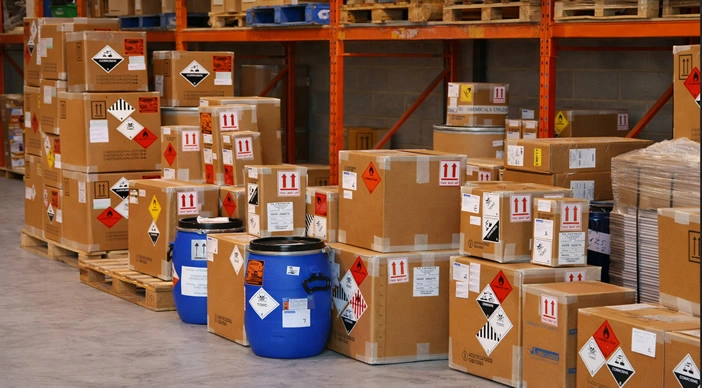
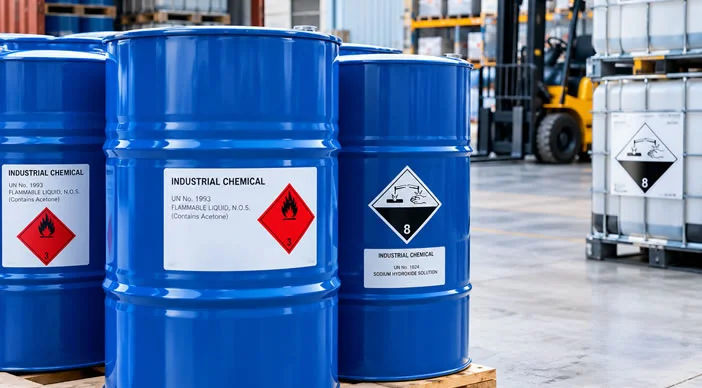


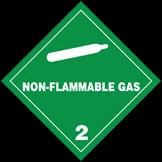
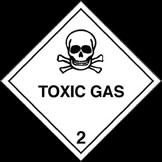








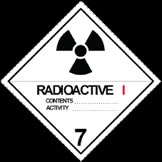
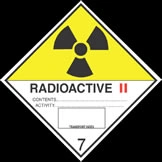

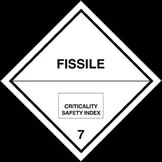



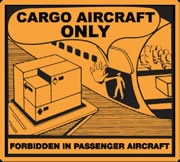
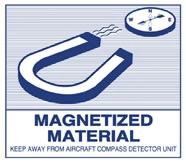




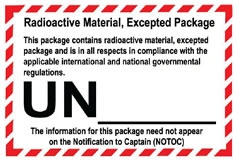










We pride ourselves on using high-quality, UN-certified packaging materials combined with advanced techniques to ensure the safety, durability, and regulatory compliance of every shipment.