

DG cargo packing services in the UAE prepare dangerous goods – such as flammable liquids, corrosives, aerosols, batteries and chemicals – so they meet IATA, ICAO, IMDG and GCAA rules before they travel by air, sea or road. Carepack Cargo Services LLC, a GCAA approved packing company in Dubai, classifies, packs, marks and labels DG cargo so it is accepted by the carrier the first time.
Dangerous goods are not packed like ordinary cargo. The wrong box, a missing label or an incorrect declaration can lead to a rejected shipment, delays at the terminal or a safety incident. This guide explains what DG cargo packing involves and what exporters in the UAE should expect from a certified packing partner.
DG cargo packing is the process of classifying dangerous goods, selecting the right UN-approved packaging, packing the goods with proper cushioning and absorbent material, closing the package as per the packaging manufacturer's instructions, and then marking and labelling it. For air freight from Dubai International Airport and Al Maktoum International Airport, this work must follow the IATA Dangerous Goods Regulations (DGR), the ICAO Technical Instructions and GCAA requirements.
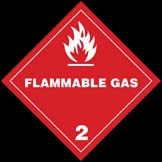
There are nine classes of dangerous goods, and each one has its own packing and labelling rules:
Not every class is accepted on every aircraft or route, so your packing partner should confirm the class before any packing begins. For a deeper look at chemicals, read our guide on which DG class industrial chemicals fall under.
Our certified team handles the full preparation of your dangerous goods consignment, from the first review to the final label.
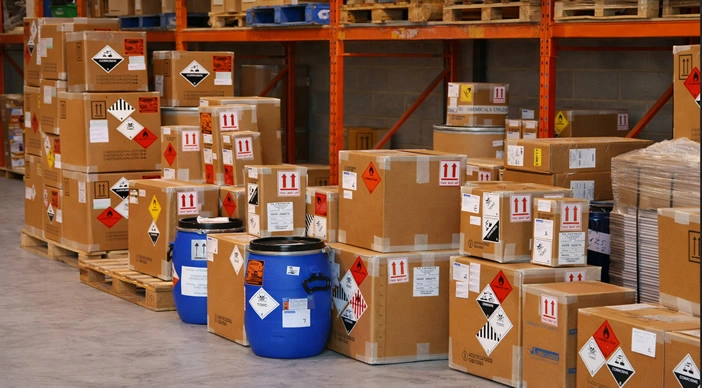
Air freight follows the IATA DGR and ICAO Technical Instructions, sea freight follows the IMDG Code, and road transport follows ADR-based rules. The packaging and labelling can differ between modes, so the transport mode should be known before packing. Carepack prepares DG cargo for air, sea and road shipments from Dubai and across the UAE.
Most of these problems can be avoided by having the cargo reviewed and packed by a certified specialist before it reaches the airline or shipping line. You can also read our guide on hazmat cargo handling in Dubai for the handling side of the process.
What is the difference between DG cargo packing and general cargo packing?
General cargo packing protects goods from damage, while DG cargo packing must also control the hazard. DG cargo needs UN-specification packaging matched to its hazard class and packing group, correct closure, hazard labels, UN markings and a Shipper's Declaration where required. If any of these are missing, the airline, shipping line or terminal can refuse the cargo.
Which hazard classes does DG cargo packing cover?
DG cargo packing covers all nine dangerous goods classes: explosives (Class 1), gases (Class 2), flammable liquids (Class 3), flammable solids (Class 4), oxidizers and organic peroxides (Class 5), toxic and infectious substances (Class 6), radioactive material (Class 7), corrosives (Class 8), and miscellaneous dangerous goods including lithium batteries (Class 9). Each class has its own packing, labelling and documentation rules.
DG cargo packing is about getting the details right: the right class, the right packaging, the right labels and the right documents. When these are handled by a certified specialist, your dangerous goods move through the airport, port or border without delay. Carepack Cargo Services LLC handles the whole process for you, from classification to the final label.
To get your DG cargo packed and labelled correctly, please reach out to our team today. Our certified packing professionals are ready to help you ship safely and compliantly from Dubai.
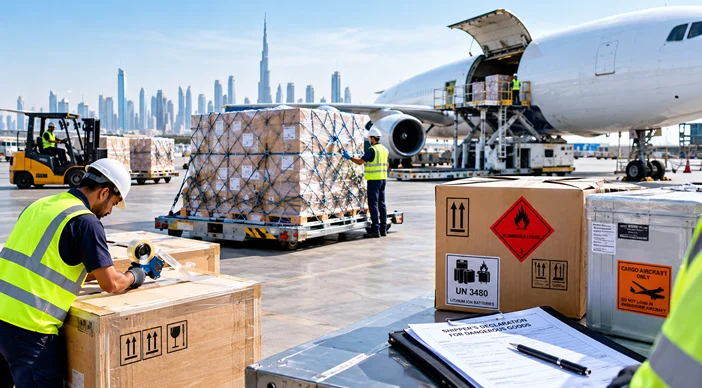
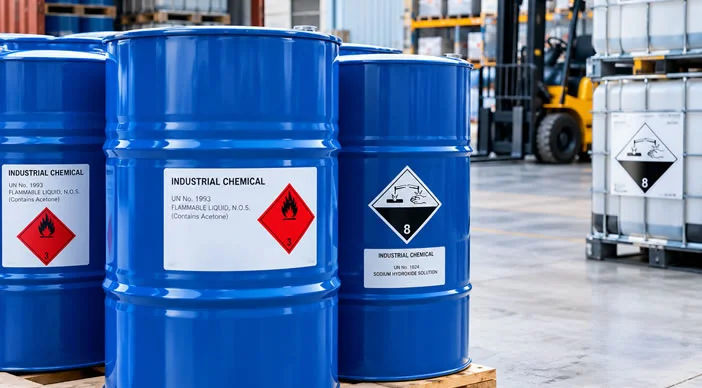

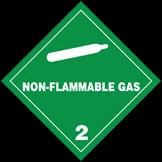
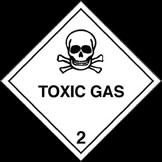
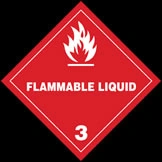
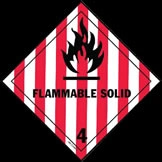
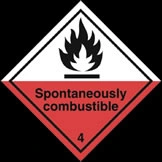

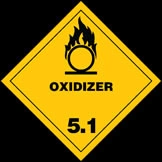
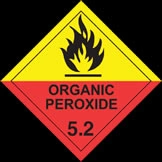
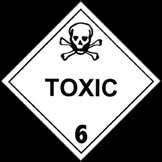

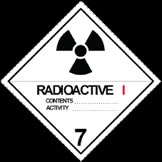
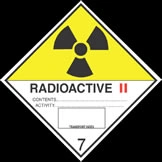
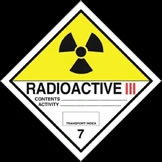
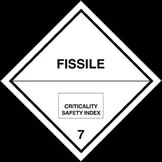
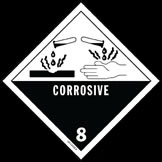


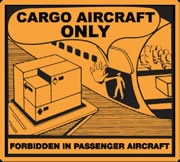
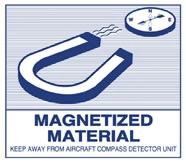




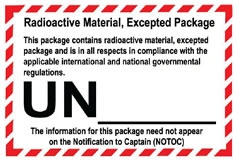





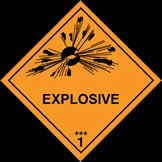
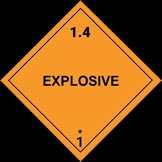
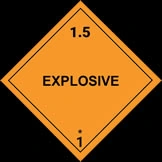
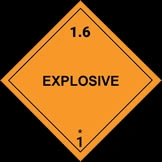

We pride ourselves on using high-quality, UN-certified packaging materials combined with advanced techniques to ensure the safety, durability, and regulatory compliance of every shipment.